


Choosing the right table tennis equipment as a beginner can feel overwhelming with so many options available. This comprehensive guide breaks down everything you need to know about table tennis gear, from paddles to tables, helping you make informed decisions that fit your budget.
Understanding Table Tennis Paddles
Paddle Anatomy: What Makes Up a Table Tennis Racket
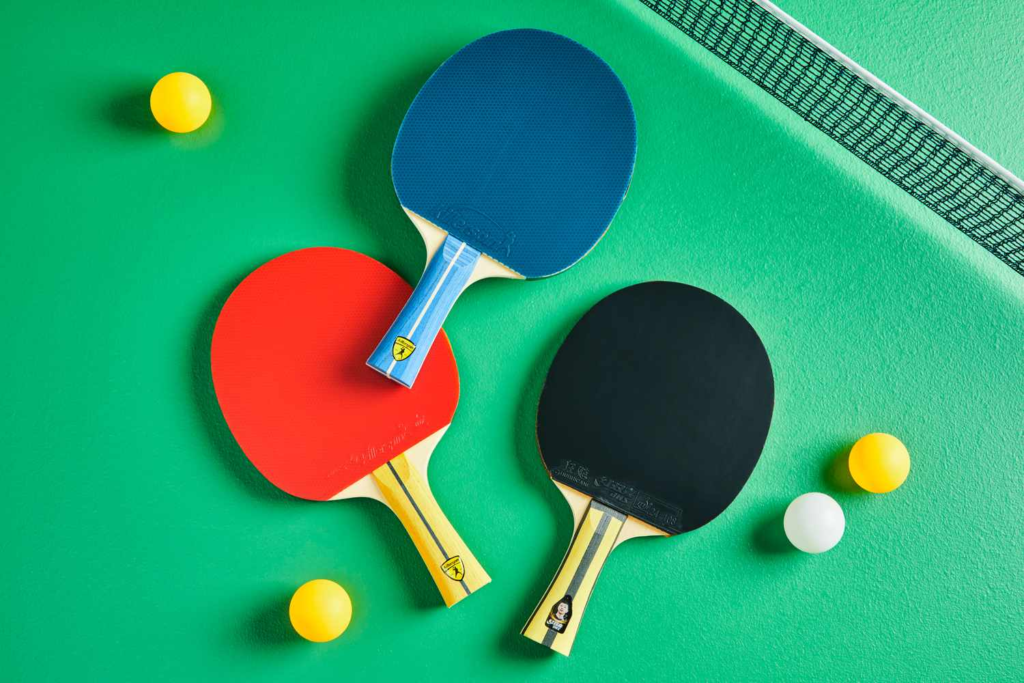
A table tennis paddle consists of three main components: the blade (wooden base), rubber sheets on both sides, and the sponge layer beneath the rubber. Understanding these elements helps you choose equipment that matches your skill level and playing style.
The blade is typically made from multiple layers of wood, sometimes combined with carbon fiber or other materials for added speed and stiffness. Rubber comes in different types, thicknesses, and textures, each affecting how the ball responds when struck.
Pre-Made vs. Custom Paddles: What Beginners Should Choose
For absolute beginners, pre-made paddles are the smart choice. These ready-to-play rackets come fully assembled with appropriate rubber for learning basic techniques. Prices range from ₱800 to ₱5,500, with the sweet spot for beginners being around ₱1,500-2,500.
Custom paddles, where you select the blade and rubber separately, offer more control over performance characteristics but require knowledge that most beginners don’t yet have. Save custom builds for when you’ve developed a clear playing style and understand what features benefit your game.
Best Beginner Paddle Features to Look For
Control Over Speed: Beginners should prioritize control-oriented paddles that make it easier to place shots accurately. Look for paddles rated 6-7 out of 10 for control and 5-7 for speed.
ITTF Approved Rubber: Ensure the rubber has the International Table Tennis Federation (ITTF) approval stamp if you plan to play in any organized settings or clubs.
Comfortable Handle Shape: Paddles come in different handle shapes including flared, straight, and anatomic. The flared handle is most popular among beginners for its comfortable, secure grip.
Medium Sponge Thickness: A sponge thickness of 1.5-2.0mm provides good balance between control and spin potential for learning players.
Table Tennis Balls: Small But Essential
Understanding Ball Quality Ratings
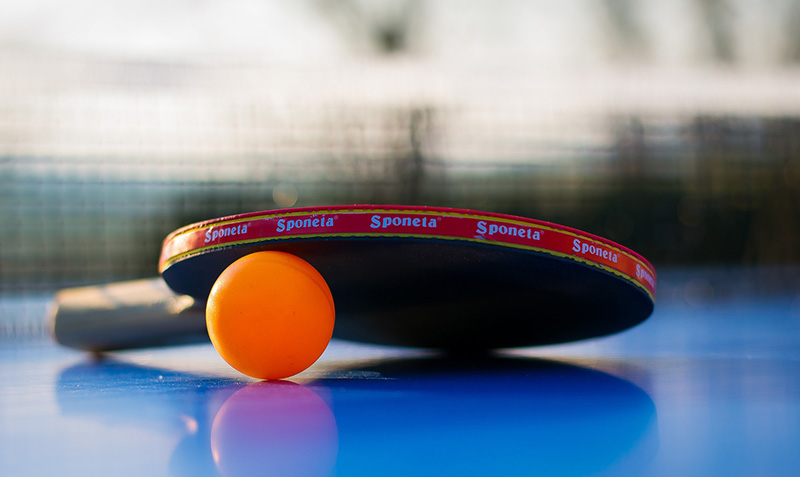
Table tennis balls are rated with a star system from 1 to 3 stars:
1-Star Balls (₱150-250 per dozen): Suitable for casual practice and recreational play. Less consistent bounce and durability.
2-Star Balls (₱300-450 per dozen): Better quality with improved consistency, good for regular practice sessions.
3-Star Balls (₱500-800 per dozen): Tournament-grade quality with perfect roundness and consistent bounce. Best for serious practice and competition.
Ball Material: Plastic vs. Celluloid
Modern table tennis balls are made from plastic (poly balls) after celluloid was phased out in 2014. Plastic balls are slightly larger (40mm+), more durable, and produce a different sound and spin characteristics compared to older celluloid balls.
Table Tennis Tables: Understanding Your Options
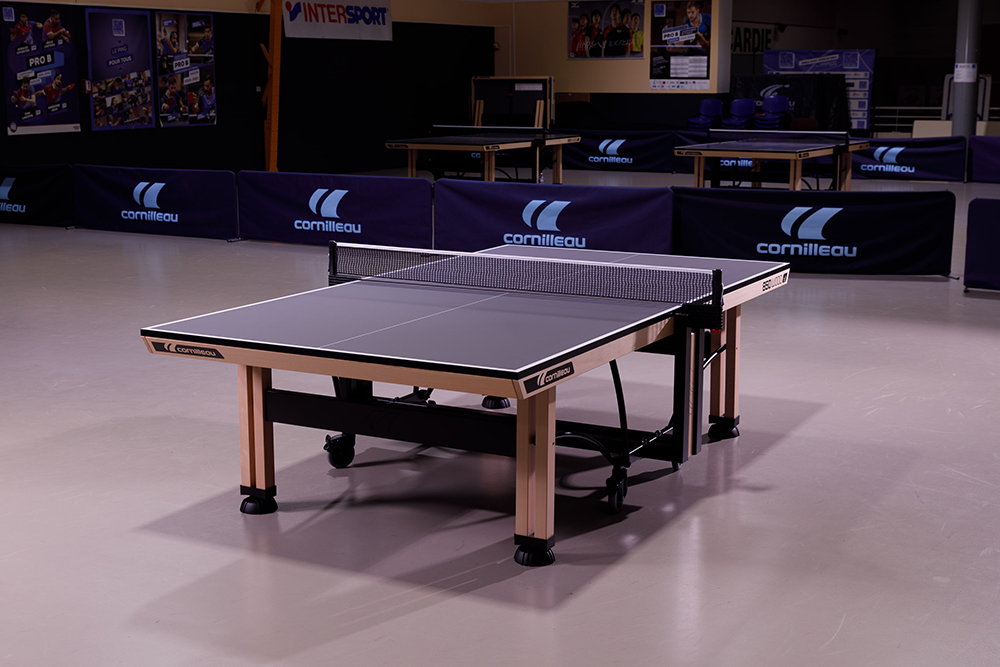
Table Types and Price Ranges
Indoor Tables (₱15,000-80,000): Made with wood or wood composite surfaces, offering the best bounce consistency. Not weather-resistant, must be stored indoors.
Outdoor Tables (₱20,000-60,000): Feature aluminum composite or weatherproof surfaces. Can withstand rain and sun exposure but generally have slightly less consistent bounce.
Conversion Tops (₱8,000-20,000): Portable tops that convert any flat surface into a table tennis table. Great space-saving option for homes.
Mini Tables (₱3,000-8,000): Smaller tables perfect for kids or limited spaces, though not regulation size.
Key Table Features to Consider
Thickness of Playing Surface: Quality tables have 15-25mm thick tops. Thicker surfaces provide better, more consistent bounce. Entry-level tables typically have 12-15mm thickness (₱15,000-25,000), while professional tables feature 25mm surfaces (₱50,000+).
Frame and Leg Stability: Look for tables with sturdy steel frames and adjustable leg levelers to ensure stable play on uneven floors.
Folding Mechanism: Most recreational tables fold for storage. Ensure the folding mechanism is smooth, safe, and includes locking features.
Playback Mode: Many tables allow one half to fold up for solo practice, which is invaluable for beginners working on technique.
Wheels and Mobility: Quality caster wheels make moving and storing the table easier. Look for tables with locking wheel mechanisms.
Table Tennis Nets and Posts
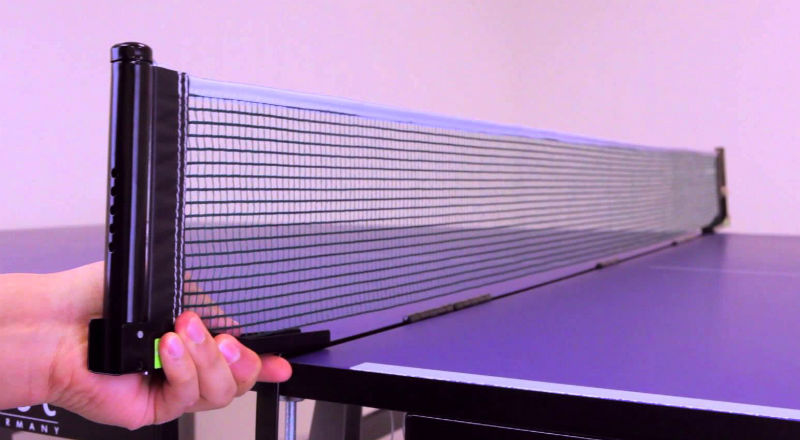
While most tables come with nets included, replacement nets are necessary over time. Quality nets and posts range from ₱800-3,000
Clip-On Nets (₱800-1,200): Simple nets that clip onto table edges. Convenient but may not be tournament-standard.
Screw-On Posts with Net (₱1,500-3,000): Professional-style posts that clamp securely to tables with proper tension adjustment.
Look for nets with easy tension adjustment mechanisms and durable netting material that won’t sag over time.
Your Investment
Starting table tennis doesn’t require a massive investment, but choosing quality equipment appropriate for your skill level sets you up for success. Prioritize a decent paddle (₱1,500-2,500), quality balls (₱500-800 per dozen), and proper shoes (₱2,500-4,000) before investing in a home table.
Remember that equipment alone doesn’t make a great player—consistent practice, proper technique, and quality coaching matter far more than expensive gear. Start with equipment that matches your commitment level, and upgrade as your skills and passion for the sport grow.
Product Links
Here are some useful product links to start checking out some table tennis equipment!
Table Tennis Paddles
Table Tennis Balls
Table Tennis Tables
Table Tennis Nets

Leave a Reply