


Footwork is one of the most important yet often overlooked aspects of table tennis. While many players focus heavily on strokes and equipment, efficient movement is what allows those skills to shine. Good footwork helps you stay balanced, recover quickly, and maintain consistency during rallies—no matter your playing level.
Why Footwork Matters in Table Tennis
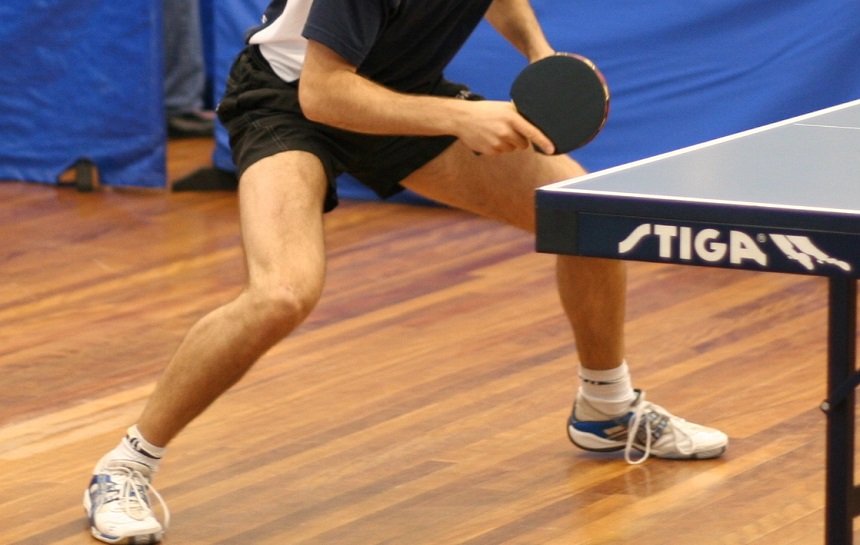
Although footwork is considered one of the fundamentals of table tennis, it is often underestimated by beginners and even some intermediate players. Many focus on arm technique without realizing that strong footwork is what places the body in the correct position to execute shots properly. Proper movement improves balance, allows quicker recovery after each stroke, and helps players maintain consistency throughout longer rallies. Without solid footwork, even well-learned strokes can break down under pressure.
Common Footwork Mistakes Beginners Make
Standing too upright
Many beginners stand tall with stiff legs, which limits mobility and slows reaction time. This makes it harder to move quickly and maintain balance during rallies.
Reaching instead of moving
Instead of adjusting their position, players often stretch their arm toward the ball. This leads to weak contact, poor control, and off-balance shots.
Slow recovery after shots
Failing to return to a ready position after hitting causes players to be late on the next ball, especially during fast exchanges.
Basic Ready Position
A good ready position sets the foundation for effective movement. Players should keep their knees slightly bent, body weight balanced on the balls of the feet, and stance shoulder-width apart. Staying low and relaxed allows faster side-to-side movement and quicker reactions to incoming shots.
Essential Footwork Movements
Side-to-Side Shuffle
This is the most common movement in table tennis. Instead of crossing the feet, players shuffle laterally to stay balanced and ready to attack or defend.
In-and-Out Movement
Used when adjusting distance from the table, this movement helps players handle short balls or step back for deeper shots without losing stability.
Pivot Footwork
The pivot allows players to move around their backhand corner to use a forehand attack. This is essential for offensive play and requires good timing and balance.
Simple Footwork Drills You Can Practice
Shadow footwork
Practicing movements without a ball helps develop muscle memory and proper positioning. This can be done anywhere and is great for beginners.
Multiball-style movement
Simulating quick directional changes improves reaction time and endurance. Even without multiball feeding, players can practice moving between imaginary ball placements.
Partner or wall drills
Hitting against a wall or rallying with a partner while focusing on movement encourages continuous footwork and rhythm.
Common Signs Your Footwork Is Improving
As your footwork develops, you may notice that you rely less on reaching and arrive earlier to each shot. Your balance improves, recovery becomes faster, and rallies feel more controlled. Many players also find that their consistency increases, especially during longer exchanges, because they are better positioned for every ball.
Frequently Asked Questions About Table Tennis Footwork
How often should I practice footwork?
Footwork can be practiced every session, even for just 5–10 minutes. Consistency matters more than long sessions.
Is footwork more important than strokes?
Footwork and strokes work together. Good movement supports proper technique and helps maintain consistency under pressure.
Can beginners practice footwork without a coach?
Yes, basic drills can be done alone. However, structured guidance helps prevent bad habits. Beginner resources from organizations like the
International Table Tennis Federation (ITTF) can also support learning.
Do I need to be fast to have good footwork?
No. Effective footwork focuses on positioning, balance, and efficiency—not just speed.
What did we learn?
Footwork is a skill that improves steadily with awareness and consistent practice. By correcting common mistakes, learning basic movements, and adding simple drills to your routine, you build a strong foundation that supports every part of your game. Whether you are just starting out or refining your skills, better movement will always translate to better performance at the table.
Train With Us
If you’re ready to improve your footwork through proper coaching, structured training, and a supportive playing environment, we’d love to have you. Join The Angeles City Table Tennis Club and train with players who are passionate about learning, improving, and enjoying the game together. Your journey in table tennis starts with the right steps—on and off the table.
Leave a Reply