


Starting table tennis is exciting; however, like any sport, beginners often develop habits that slow their improvement. Fortunately, most of these mistakes are small and easy to fix once you become aware of them.
Many new players assume they simply need more practice. In reality, fixing the right mistakes early makes a huge difference. By building proper fundamentals now, you’ll improve faster, feel more confident, and enjoy the game more in the long run.
In this guide, we’ll explore the most common beginner mistakes in table tennis and, more importantly, how you can fix them.
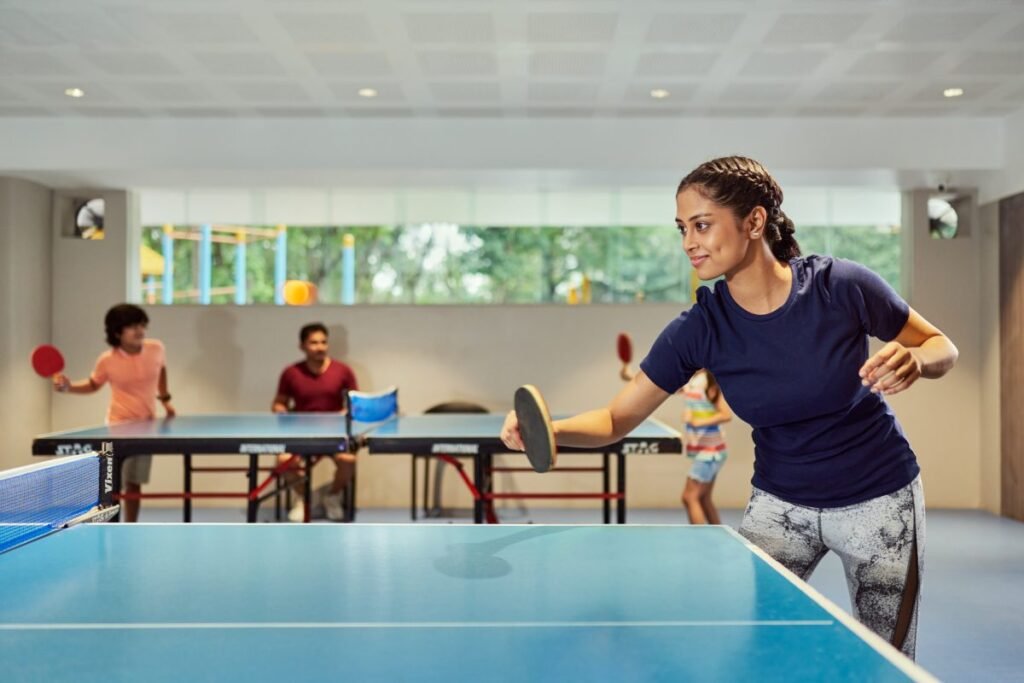
The 10 Beginner Mistakes
Holding the Paddle Too Tightly
One of the most common mistakes beginners make is gripping the paddle too hard. A tight grip makes your shots stiff and reduces your ability to control spin and placement.
When your hand is tense, your wrist becomes less flexible, which limits your ability to generate natural movement and touch.
How to fix it:
Try holding the paddle like a handshake — firm but relaxed. Your grip should allow slight wrist movement. A relaxed hand improves control and helps you react faster during rallies.
Standing Too Upright
Many beginners stand straight up when playing, which slows reaction time and makes movement harder. A tall stance might feel comfortable, but it reduces your readiness to respond to fast shots.
Table tennis is a fast-paced sport that requires quick reflexes and balance.
How to fix it:
Adopt a slightly bent-knee stance with your weight on the balls of your feet. Think of an athletic position similar to basketball or badminton. This posture allows faster movement and better balance.
Using Only the Arm
New players often rely only on their arm when hitting the ball. This results in weak shots and limited spin because the body isn’t contributing power.
In table tennis, good strokes involve coordination between the arm, wrist, and body rotation.
How to fix it:
Use your whole body when hitting. Rotate your shoulders slightly and engage your core. Even small body movement can add power and control without extra effort.
Ignoring Footwork
Footwork is one of the most overlooked fundamentals in table tennis. Beginners tend to reach for the ball instead of moving their feet, leading to poor positioning and inconsistent shots.
Bad footwork causes late timing and weak returns.
How to fix it:
Focus on small, quick steps instead of big movements. Stay light on your feet and adjust your position before hitting. Good positioning makes every shot easier and more accurate. Check out our blog about Footwork here!
Hitting Too Hard
Many beginners believe that hitting harder makes them better players. In reality, power without control leads to missed shots and frustration.
Table tennis is more about placement, timing, and spin than brute strength.
How to fix it:
Prioritize consistency first. Aim to keep the ball on the table rather than hitting winners. Once you build control, you can gradually add more speed and spin to your shots.
Not Understanding Spin
Spin is one of the biggest challenges for beginners. Many new players struggle to return serves or shots simply because they don’t recognize how spin affects the ball.
Ignoring spin can make rallies feel unpredictable and difficult.
How to fix it:
Start observing your opponent’s paddle angle and motion. If the paddle brushes upward, expect topspin. If it moves downward, expect backspin. Learning to read spin takes time, but awareness is the first step.
Poor Ready Position
Some beginners relax too much between shots and hold their paddle down or to the side. This creates slower reactions and makes it harder to respond quickly.
A good ready position prepares you for both forehand and backhand shots.
How to fix it:
Keep your paddle in front of your body, around chest level. Stay alert and balanced so you can react instantly when the ball comes back.
Looking Away After Hitting
It’s surprisingly common for beginners to look away after hitting the ball, especially during longer rallies. This causes poor tracking and delayed reactions.
Keeping your eyes on the ball is essential for consistency.
How to fix it:
Train yourself to follow the ball at all times, even after contact. Watching the ball improves timing, accuracy, and anticipation.
Practicing Without Purpose
Some players practice for hours but see little improvement because they don’t have a clear goal. Random hitting without focus can slow progress.
Improvement in table tennis comes from intentional practice, not just repetition.
How to fix it:
Set simple goals during practice sessions. For example:
- Focus on consistent forehands
- Practice serving short
- Improve footwork drills
Small, focused improvements add up quickly over time.
Avoiding Feedback or Coaching
Many beginners try to learn everything on their own. While self-practice helps, it can also reinforce bad habits if no one corrects your form.
Feedback is one of the fastest ways to improve.
How to fix it:
Play with more experienced players or seek guidance from coaches and local clubs. Even small tips can dramatically improve your technique and confidence.
Where Beginners Improve Faster
While solo practice helps, learning in the right environment can accelerate your progress. Playing with experienced players exposes you to better techniques, strategies, and real-game situations.
If you’re based in Angeles City, joining a local table tennis community can help you fix these beginner mistakes much faster. Practicing regularly with others also makes the sport more fun and motivating.
Leave a Reply